

The inaugural National Assembly Library Week 2026 has opened a new chapter in Nigeria’s efforts to preserve parliamentary memory, strengthen legislative research and improve public access to information.
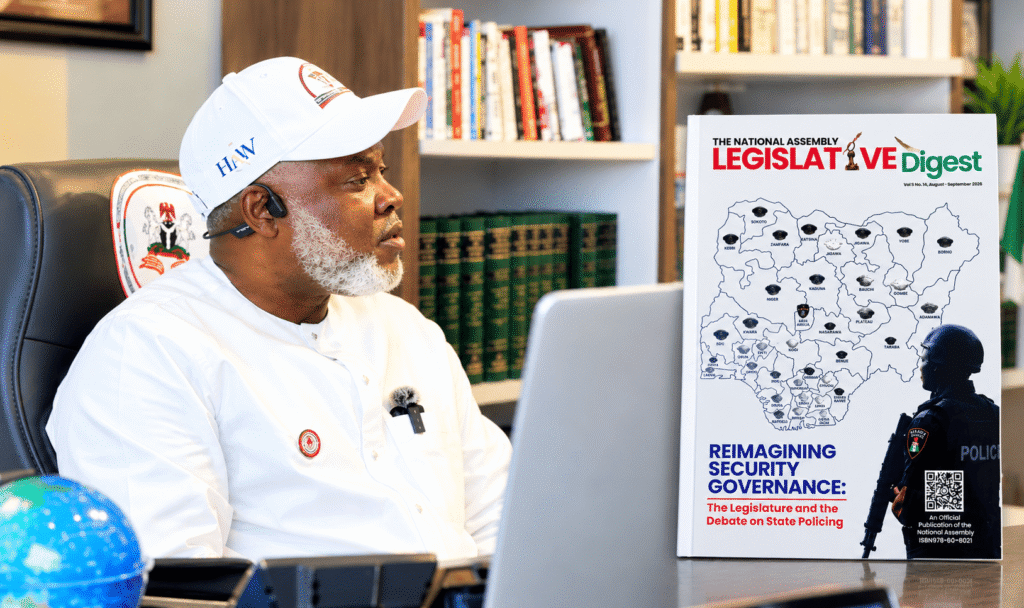
Speaking in an interview with the National Assembly Legislative Digest, Executive Secretary of the National Assembly Library, Rt. Hon. Henry Nwawuba, highlighted the significance of the maiden Library Week and the broader transformation taking place within the institution.
The three-day programme, held from September 28 to 30, was organised under the theme, “Parliamentary Memory: Connecting Records, Legislation and the People.”
The initiative brought together lawmakers, legislative aides, parliamentary administrators, researchers and other stakeholders to examine the role of information in strengthening legislative effectiveness and democratic institutions.
For Nwawuba, the programme represents more than an institutional celebration.
It reflects the National Assembly Library’s growing role as a centre for knowledge, research, documentation and preservation of Nigeria’s legislative history.
Why NASS Library Week Matters
The maiden Library Week was designed to increase awareness of the resources available within the National Assembly Library.
It also sought to encourage lawmakers, legislative aides and parliamentary staff to make greater use of legislative records and research materials when carrying out their responsibilities.
The National Assembly Library said the programme was intended to promote information literacy, responsible access to legislative information and stronger institutional collaboration.
Nwawuba has described the Library as a vital custodian of Nigeria’s legislative memory.
According to him, preserving institutional memory helps ensure that successive generations of public officials can build on previous work instead of repeatedly starting from scratch.
That philosophy provided a central theme for the 2026 Library Week.
Preserving Nigeria’s Parliamentary Memory
Nigeria’s legislative history is contained in a wide range of documents and records.
These include Order Papers, Votes and Proceedings, committee reports, Acts passed by the National Assembly, gazetted laws and oversight materials.
Nwawuba said these records form an important part of the country’s democratic heritage.
The challenge, however, is ensuring that such information remains accessible and usable in an increasingly digital environment.
The National Assembly Library is therefore pursuing a programme of digitisation aimed at preserving historical records while making them easier to retrieve.
The institution is investing in electronic repositories and upgrading its E-Library as part of that effort.
From Books and Archives to Digital Access
One of the strongest messages surrounding the Library Week was that a modern parliamentary library cannot depend solely on physical books and documents.
Technology is changing how legislators, researchers and citizens access information.
Nwawuba has consequently championed digital initiatives designed to take legislative resources beyond the physical library.
Among these initiatives is a proposed mobile application designed to provide access to legislative information and enable Nigerians to follow the progress of bills.
The application has been described as a “portable parliament”, with features intended to bring parliamentary resources closer to citizens.
The broader digital programme also includes an upgraded E-Library and a Bills Tracker.
Together, these tools are intended to make legislative information easier to find and understand.
Making Laws More Accessible to Nigerians
Another major initiative disclosed during the Library Week was the plan to make Nigerian laws available in major indigenous languages.
The National Assembly Library Trust Fund plans to support the translation of Nigerian laws into Hausa, Yoruba, Igbo and other local languages.
The objective is to expand public understanding of legislation and make information about laws more accessible to Nigerians outside traditional legislative and legal circles.
This initiative connects directly with the theme of the inaugural Library Week.
If parliamentary memory is to connect records, legislation and the people, citizens must be able to access and understand the information contained in those records.
Language therefore becomes an important part of public access.
Strengthening Legislative Research
Nwawuba’s vision also places considerable emphasis on research.
Effective lawmaking requires access to reliable information, historical records, policy evidence and comparative legislative knowledge.
The National Assembly Library provides resources that can support lawmakers and their aides in developing legislation, conducting oversight and understanding policy issues.
During the first day of Library Week, participants also discussed the need for lawmakers to cultivate stronger reading and research habits.
Prof. Julius Ihonvbere, Chairman of the House Committee on Basic Education, called on legislators to make greater use of the Library’s research resources when performing their legislative duties.
Such engagement reinforces the idea that the Library is not simply a repository of documents.
It is part of the infrastructure that supports legislative decision-making.
Library Week Brings Stakeholders Together
The programme also created space for discussions involving different parts of the parliamentary system.
Sessions examined parliamentary memory, legislative information, institutional development, technology, professional capacity and the future of parliamentary libraries.
The second day focused on issues including democracy, national unity and the preservation of archival documentation as a record of diverse constituent voices.
The final day moved further into technology, innovation and staff development.
Nwawuba said the discussions generated recommendations that would be reviewed for possible implementation within the National Assembly Library.
A Commitment to Make Library Week an Annual Event
One of the clearest outcomes of the inaugural programme was the decision to establish National Assembly Library Week as an annual event.
Nwawuba said the Library Week was created to bridge institutional gaps, encourage knowledge sharing and promote greater synergy across the National Assembly.
He further stated that the Library would review the recommendations and perspectives generated during the three-day programme.
The objective is to identify practical measures that can strengthen institutional processes.
He also confirmed the intention to make Library Week a recurring platform for reflection, collaboration and exchange of ideas.
Connecting Parliament With the People
The broader significance of NASS Library Week lies in its attempt to strengthen the relationship between parliamentary information and citizens.
A legislature generates an enormous amount of information.
However, that information has limited public value if citizens cannot find it, understand it or use it.
The National Assembly Library’s digital initiatives, legislative publications and proposed language-access programmes are therefore part of a wider effort to make parliamentary information more accessible.
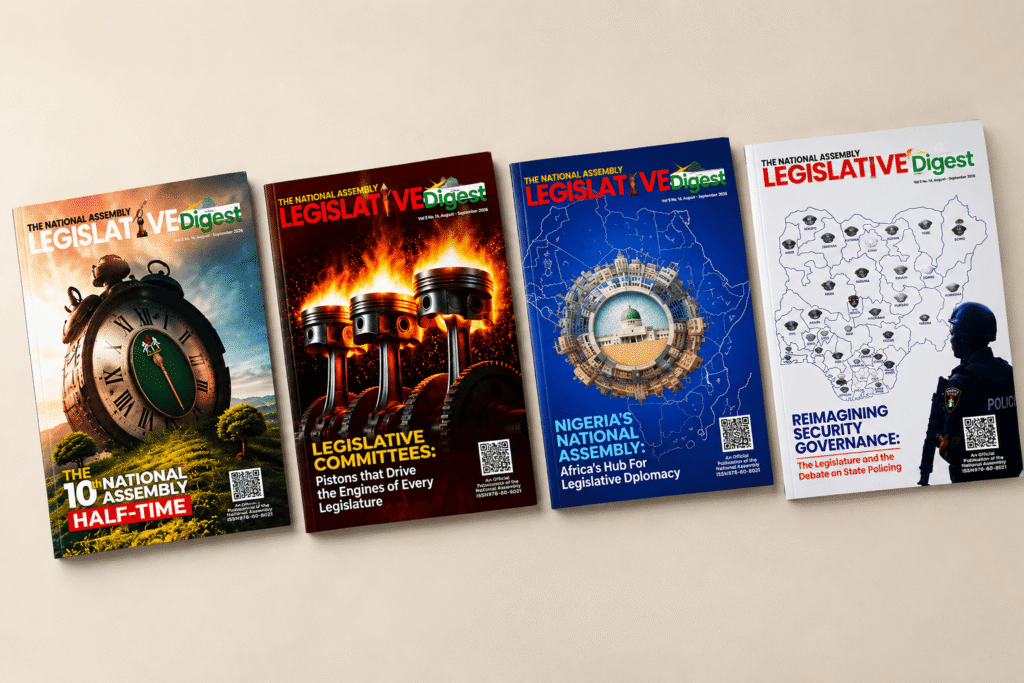
The revival of the National Assembly Legislative Digest also fits into this objective.
The official publication was relaunched in 2025 after a six-year hiatus and was designed to document legislative activities, milestones and institutional developments.
The Digest and the Library’s digital platforms can consequently complement one another by preserving institutional records while explaining parliamentary developments to a wider audience.
Building a Lasting Institutional Legacy
The inaugural National Assembly Library Week has now ended, but the issues raised during the programme extend beyond the three-day event.
They touch on how Nigeria preserves its democratic history, how lawmakers access evidence, how parliamentary institutions retain knowledge and how citizens understand the laws that govern them.
For Nwawuba, the task ahead is to translate the momentum generated by the maiden Library Week into lasting institutional improvements.
The planned annual programme provides a platform for continuing that conversation.
Meanwhile, digitisation, electronic repositories, the E-Library, the proposed mobile application, Bills Tracker and local-language access could progressively reshape how Nigerians interact with parliamentary information.
The inaugural NASS Library Week 2026 has therefore established more than a new item on the National Assembly calendar.
It has opened a continuing conversation about parliamentary memory, legislative knowledge and public access to information.
As the National Assembly Library moves forward with its digital and research agenda, the challenge will be to ensure that the records of Nigeria’s legislative journey remain preserved, accessible and useful to lawmakers, researchers and citizens alike.