
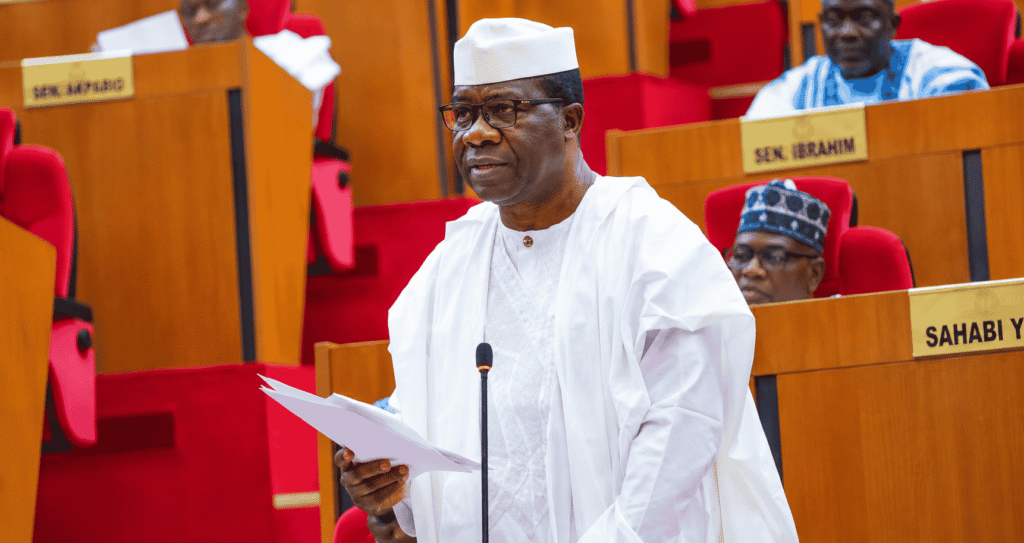

Senate Leader Opeyemi Bamidele has called for a fundamental shift in how Nigeria approaches women’s involvement in governance, diplomacy, and economic development—arguing that true inclusion must go beyond simply filling quotas to giving qualified women real decision-making authority.
Speaking at Nigeria House in New York while chairing the launch of The Female Diplomat: Navigating Power, Ambition and Identity, Bamidele emphasized that no country can reach its full potential while sidelining a huge portion of its talent pool. The event took place on Thursday, September 24, 2026, on the sidelines of the 81st session of the United Nations General Assembly (UNGA).
“Gender inclusion is not an act of favor,” Bamidele told the audience. “It is a strategic investment in Nigeria’s human capital and institutional strength”.
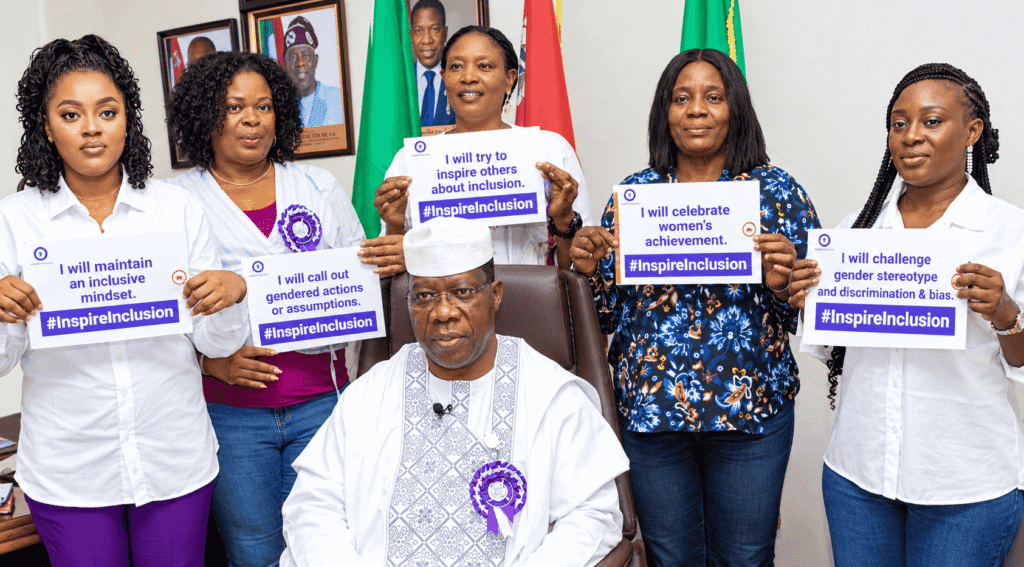
Moving Beyond Headcounts to Real Authority
For Bamidele, the conversation around gender equity in public life has too often focused on representation numbers rather than actual influence. He argued that true progress requires creating clear pathways for women to shape public policy, take on major operational responsibilities, and exercise genuine leadership.
He linked this directly to the credibility of democratic governance: when citizens see competent women occupying positions of real power, trust in public institutions grows.
Pointing to President Bola Ahmed Tinubu’s Renewed Hope Agenda, the Senate Leader stressed that national recovery efforts must draw heavily on the abilities of both women and young people. Positioning them as key players in politics and the economy, he argued, is vital to building long-term institutional resilience.
Elevating Women in Diplomacy and Governance
Bamidele applied this perspective directly to Nigeria’s foreign service, noting that the country’s diplomatic clout relies heavily on the quality and diversity of its representatives. Bringing top-tier female professionals into senior diplomatic roles ensures Nigeria draws from its strongest possible talent pool on the global stage.
He highlighted the role of the National Assembly in driving this shift, pledging parliament’s support for laws, budget allocations, and oversight measures that broaden opportunities for qualified women.
However, Bamidele noted that government action alone is not enough. Sustained progress will require a coordinated push across multiple sectors:
-
Political Parties & Institutions: Establishing deliberate policies that recognize competence over gender.
-
The Private Sector & Academia: Opening executive track opportunities and senior leadership roles.
-
Civil Society & Foreign Service: Fostering mentorship frameworks and inclusive institutional cultures.
A High-Level Gathering at Nigeria House
The book presentation drew a distinguished audience of Nigerian leaders, top diplomats, and international figures, including:
-
Amina Mohammed, United Nations Deputy Secretary-General
-
Bianca Odumegwu-Ojukwu, Minister of Foreign Affairs
-
Jimoh Ibrahim, Nigeria’s Permanent Representative to the United Nations
-
Kayode Are, Nigeria’s Ambassador to the United States
Connecting the book’s themes to national development, Bamidele praised intellectual works that tackle power, identity, and career progression, noting that they enrich Nigeria’s voice in international discussions.
Following the launch, Bamidele also represented the Senate at the Nigeria Investment Forum 2026, joining business leaders, multinational executives, and development finance institutions to discuss foreign direct investment. For the Senate Leader, tying gender inclusion to economic diplomacy reinforces a central message: empowering women is not just a social cause, but an economic imperative for Nigeria’s future.